The Unseen Architects of Our Skyline: Unpacking the Crane Operator's World
You know, it's funny how often we look up at a construction site, gazing at those colossal cranes reaching for the clouds, but we rarely spare a thought for the person tucked away in that small cab, orchestrating the entire ballet of steel and concrete. I mean, honestly, it’s easy to be mesmerized by the sheer scale of the machinery, isn’t it? But the true magic, the incredible precision, comes from the individual operating that beast. I’ve always been fascinated by their job, and I wanted to pull back the curtain a little, to really understand what it takes to be a crane operator.
When I think about it, these folks are like the silent conductors of our modern world. They're constructing our bridges, hoisting beams for our skyscrapers, and placing massive pre-fabricated sections with a delicate touch that belies the machine’s power. It’s not just a job; it's a profound responsibility, demanding a unique blend of skill, nerve, and unwavering focus. Let's really dig into what makes this profession so utterly compelling and absolutely crucial.
What Does a Crane Operator Actually Do All Day?
So, what's a typical day like for someone in the cab? Well, I can tell you it’s a whole lot more than just pulling levers and pressing buttons. Before they even lift anything, there’s a ton of preparation. I'm talking about pre-operational checks, inspecting the crane itself, making sure all the rigging is secure, and understanding the load's weight and balance. They're essentially doing a meticulous safety audit every single time. It’s incredibly important.
- Pre-Operational Inspections: Checking hydraulics, cables, brakes, and control systems. They’ve gotta know their machine inside and out.
- Understanding the Site: Operators work closely with ground crews, often called 'riggers' or 'signal persons,' who direct them using hand signals or radio communication. This team dynamic is absolutely vital.
- Precise Load Handling: This is where the artistry comes in. They lift, swing, and place heavy materials, sometimes within millimeters of their target, all while battling wind, limited visibility, and the dynamic nature of a construction site. It's a huge mental workout!
- Reading Load Charts: Every crane has specific load limits based on boom length, angle, and configuration. Operators have to interpret complex load charts to ensure they never exceed safe operating parameters. I bet that's a tough skill to master.
It's a high-stakes job where mistakes aren't just costly, they can be catastrophic. The precision required is just astounding to me. Imagine hoisting a 50-ton steel beam and gently setting it down on a narrow ledge, dozens of stories up. It’s not for the faint of heart, that’s for sure.
The Mechanical Marvels They Command
When we talk about cranes, we're not just talking about one type of machine, are we? There’s a whole family of these mechanical giants, each suited for different tasks and environments. I've seen some truly impressive ones!
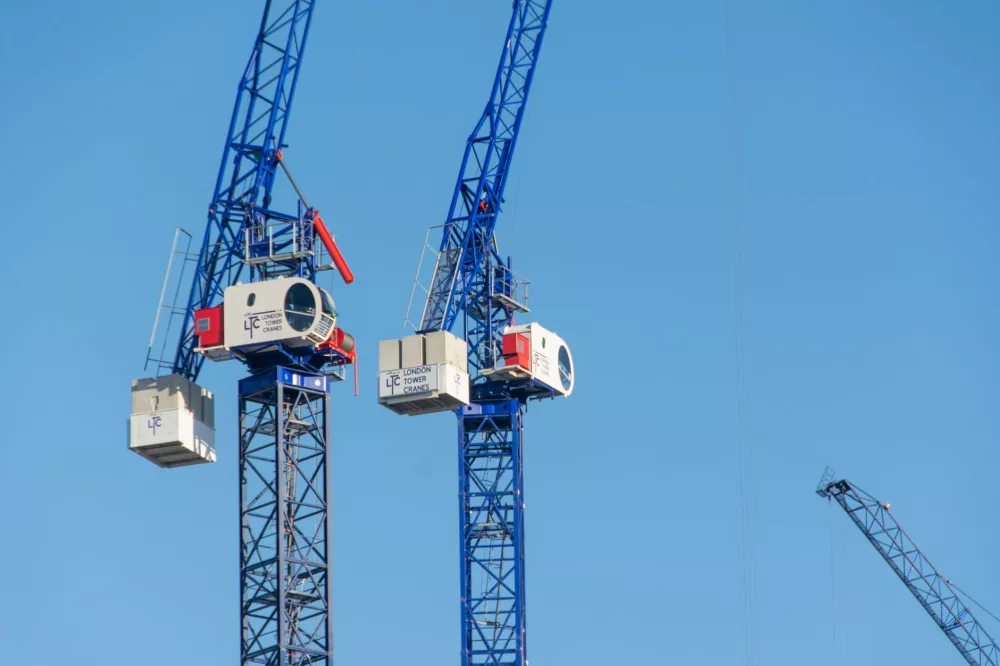
- Tower Cranes: These are the iconic, sky-high structures you see on major construction projects in cities. They're fixed to the ground and can climb with the building. I’d imagine the view from up there is incredible!
- Mobile Cranes: These are truck-mounted or crawler-mounted, meaning they can move around a site or even travel on public roads. They're super versatile for smaller, more dynamic projects.
- Rough Terrain Cranes: Built for off-road construction, they have robust tires and chassis to handle uneven ground.
- Overhead Cranes (Bridge Cranes): You usually find these inside factories or warehouses, lifting heavy loads within a confined space.
Each type requires specific operational knowledge and expertise. An operator isn't just a 'crane operator'; they often specialize in certain types, becoming absolute pros with their chosen machine.
What Skills Do You Need to Be a Top-Notch Operator?
So, what makes someone great at this job? It's not just about brute strength or being good with machines; it's much more nuanced. From what I understand, there's a serious mental game involved.
- Exceptional Hand-Eye Coordination: This is a no-brainer, right? They're manipulating multiple controls simultaneously, often looking at a tiny object hundreds of feet away.
- Spatial Awareness: Imagine navigating a huge load through a maze of other structures and equipment. You've got to have an almost superhuman sense of space and distance.
- Patience and Focus: Lifts can be incredibly slow and meticulous. Operators can't afford to get distracted or rush things. Even a momentary lapse could be disastrous.
- Communication Skills: They're constantly communicating with the ground crew. Clear, concise communication is an absolute must to prevent accidents.
- Problem-Solving Abilities: Unexpected issues pop up all the time – shifting wind, snags, mechanical quirks. A good operator thinks on their feet.
- A Strong Sense of Responsibility: Because they're responsible for not only millions of dollars worth of equipment but, more importantly, the lives of everyone on the site. I couldn’t stress this enough.
Getting into the Cab: Training and Certification
Becoming a crane operator isn't something you just wake up and decide to do one Tuesday morning. It's a structured career path that demands rigorous training and certification. If you're considering it, you're looking at a pretty serious commitment.
Many operators start with apprenticeships, often through unions, where they learn the ropes under the watchful eye of experienced pros. This usually involves hundreds, sometimes thousands, of hours of on-the-job training coupled with classroom instruction covering everything from rigging mechanics to safety regulations. There are also private training schools that offer comprehensive programs.
And then there's certification. In many places, operating certain types of cranes requires certification from recognized bodies like the National Commission for the Certification of Crane Operators (NCCCO) in the US. These certifications aren't just a piece of paper; they prove an operator has demonstrated the necessary knowledge and skills to operate safely and effectively. It's a continuous learning process too, with re-certification usually required every few years to keep skills sharp and stay updated on new technologies and regulations.
Safety, Safety, Safety: The Unbreakable Rule
I know I've mentioned safety a few times already, but it truly bears repeating because it's the absolute cornerstone of this profession. For a crane operator, safety isn't just a policy; it's a deeply ingrained mindset, an inherent part of every decision they make. I mean, think about it: they're manipulating enormous weights at great heights, often in challenging conditions. The potential for serious injury or worse is always there.
They're trained to identify and mitigate risks long before a lift even begins. This includes assessing ground conditions, checking for overhead power lines, understanding wind speeds, and ensuring all personnel are clear of the swing radius. Every single lift is meticulously planned and executed with extreme caution. There's no room for shortcuts or complacency here; the stakes are just too high. They work to incredibly strict regulations and protocols, and that commitment to safety is why, despite the inherent dangers, crane accidents are actually quite rare given the sheer volume of work performed.
The Perks of the Perch: Why Choose This Career?
Given all this responsibility and complexity, you might wonder why someone would choose this career. Well, there are some pretty compelling reasons!
- Excellent Pay: It's a highly skilled trade, and operators are compensated accordingly. It's a financially rewarding path, which is a big draw for many.
- Job Satisfaction: I often think about what it must feel like to see a massive building rise from the ground, knowing you played such a vital, hands-on role in its creation. There’s a huge sense of accomplishment there, a tangible legacy.
- Variety: No two construction sites are exactly alike, and no two lifts are precisely the same. It keeps things interesting, I’d imagine.
- Demand: Skilled crane operators are consistently in demand as infrastructure and development projects continue around the globe.
It’s a career that combines technical expertise with real-world impact, offering a unique perspective on the world from high above the ground. I really think it’s a profession that deserves a lot more recognition and respect for the incredible work they do building the very fabric of our modern lives.